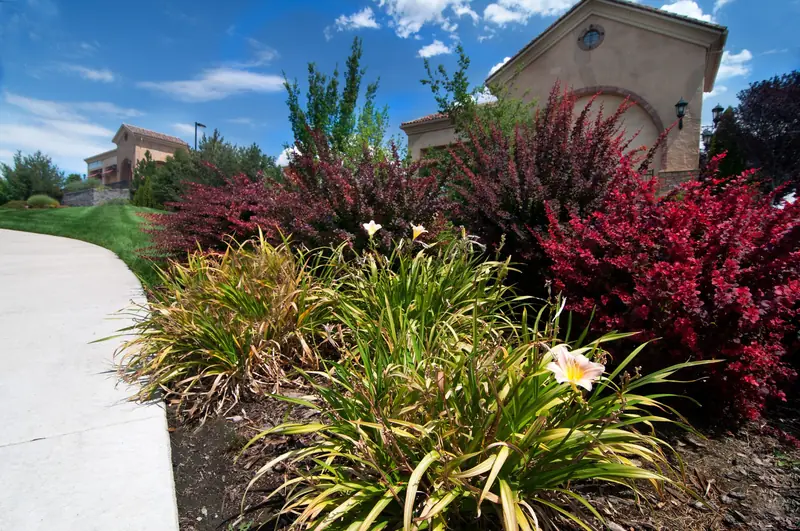
What a cottage garden is
The English cottage garden is not common in northern Nevada. It comes from England, where rain does much of the work, and it sits at the opposite end of the spectrum from the xeriscapes that suit our arid climate. Still, with planning, the style can work here in the right spots.
Cottage gardens are marked by dense plantings that spill over their edges, flowers that draw pollinators, and an informal layout without strict symmetry. Instead of lawn as the focal point, the experience is about color, fragrance and butterflies.
Plants and color
Cottage gardens mix annuals, perennials and flowering shrubs and trees, usually with three or four dominant colors and a mix of textures and forms. Plants are not set in perfect groupings, but height, structure and texture are planned. Native plants fit right in and bring native pollinators.
Hardscape and features
Hardscape is light: arbors and trellises for climbing roses and vines, a bench, a birdbath or a small flagstone patio. Creative containers that overflow onto walkways are part of the look.
Using the style on a commercial property
A full cottage garden across a whole property would use too much water and need constant care. Used in a few places, the style adds charm that residents and visitors notice:
- A pollinator bed near a clubhouse, leasing office or senior living courtyard
- An arbor with climbing roses at a community garden or walking path entry
- Overflowing containers at a boutique retail or restaurant entrance
- A perennial border along a short, well-used walkway
To make it work in the high desert, use native and climate-adapted perennials wherever possible, put the bed on its own drip zone from the start, and invest in soil with compost before planting. Cottage beds need regular weeding, deadheading and pruning, so include them in the maintenance scope.
See our guides to seasonal color beds and perennials that last into fall, or request a free quote.