How Often Should an HOA Bid Out Landscaping?
There is no rule that says an HOA has to bid out landscaping every year. Rebidding has real costs, and most of them never show up on a bid sheet. A better question: is the current relationship working, and how would you know?
Rebid or renew
If your vendor is doing the work, communicating well and pricing fairly, renew. Check pricing every year or two without running a full bid. Rebid when something is actually wrong, or when your scope has changed so much that the old contract no longer fits.
A healthy landscape relationship usually lasts 3 to 5 years or longer, as long as it works for both sides. That is not loyalty for its own sake. The longer a crew works a property, the better they know it.
Read the situation, make your call, then tap.
You reported weedy beds and trash in writing twice. It got fixed once, then slipped again.
Renewal pricing went up, and the vendor showed which lines changed and why.
No complaints, but a new board member wants to "see what is out there".
A bidder offers a much lower maintenance price, but its snow rates are higher.
Why constant rebidding costs the community
Every property has its own quirks. The zone that never drains right. The valve box buried under a DG bed. The backflow that freezes first. The corner where plows stack snow on the same shrubs every winter.
How long does it usually take a new landscape vendor to really learn a community?
See our answer
Best practice: Six months to a year, longer on complex sites. No matter how good the new crew is, learning the irrigation zones, snow routes, amenity areas and problem spots takes time. Here a crew needs a full season, startup to snow, to see it all. When you switch, that knowledge walks out the door.
There is a second cost. Constant rebidding pushes vendors to bid low just to win. Landscape maintenance is mostly labor hours. When a bid is priced too low, the only way to make it work is to cut hours, or to make the money back somewhere else, like snow.
Compare the total cost, snow included
When you look at pricing, look at the entirety of what you are paying for, and that includes snow. Some vendors bid cheaper maintenance with much higher snow rates, and the snow bill cancels the savings. Also compare the irrigation hourly rate, the parts markup and pricing on enhancements.
Type in the monthly maintenance price and the snow rate from two bids, then slide the number of snow events. Nothing you type leaves this page.
For each bid, multiply the monthly maintenance price by 12, then add the snow rate times the number of snow events you expect. The lower monthly price is not always the lower year.
Want to see both numbers from us? Get a free quote with maintenance and snow priced side by side.
Get a free quoteTwo bids have the same maintenance price. One snow rate is higher. When does that difference matter most?
See our answer
Best practice: In a heavy winter with many snow events. The snow rate is paid every time the crew comes out. The more events, the bigger the gap. Try a heavy winter in the calculator above.
Signs it is time to rebid
Tick each sign you are seeing on your property. The verdict changes as you go.
Your result updates as you go.
What to do about it:
Ready to compare? Get a free quote with maintenance and snow priced side by side.
Get a free quote
Before you rebid, raise the problem with your vendor directly and in writing. Sometimes the fix is a conversation and a clear expectation. If it does not improve, you have a record that helps the board decide. Our guide to HOA vendor due diligence covers what to look for.
How to check market pricing without a full RFP
Review your scope
Read the contract with fresh eyes. Most Reno contracts don't call out a visit count, so check that the weekly schedule, the winter hours, DG raking, trash cleanup and irrigation startup and winterization are written down. Check that seasonal color is clearly an enhancement, and that the snow terms name the rates, trigger depth and areas. Also look for repairs bundled into the monthly price. Our HOA landscape budget guide explains why those items are better handled as they come.
Walk the property
Walk it with your vendor and a board member. Look at entrances, amenity areas, DG and rock beds, turf and irrigation coverage. This one walk tells you more about value than a stack of bids.
Get an audit
A landscape and irrigation audit is an outside review of how the property is maintained and how the irrigation system is running. It gives the board facts for the renewal conversation, whether you stay or go.
If you still decide to bid, do it with a clear scope so every vendor prices the same work, snow included. The commercial landscaping RFP guide walks through the process, and our RFP development service can help you build one.
How to run a clean transition
A sloppy handoff costs you weeks of problems. A clean one lets the new crew get to work fast. Use this list as you go:
Your result updates as you go.
Still open:
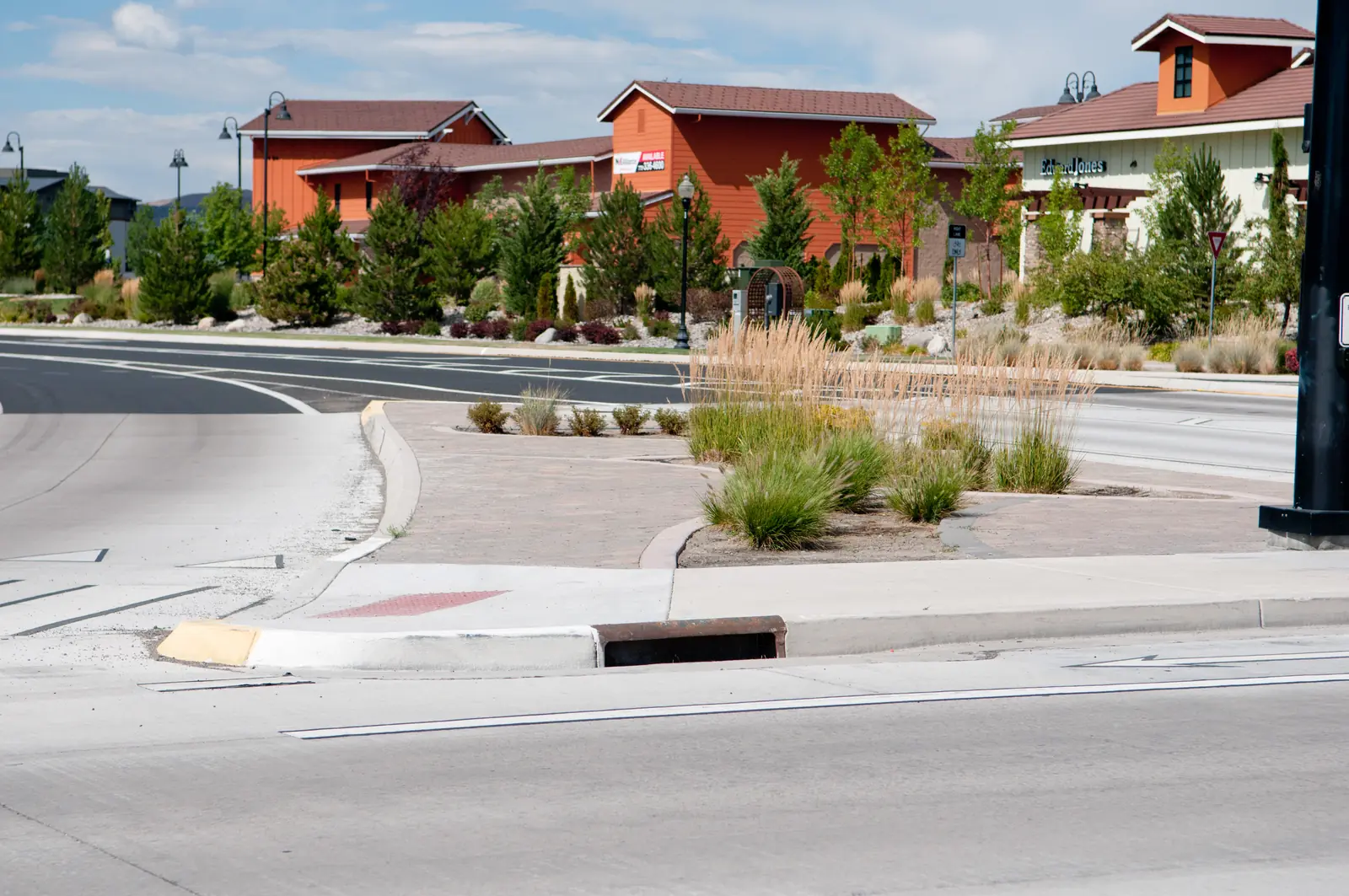
Timing matters here. A start in late winter, before spring startup, gives the new crew time to learn the irrigation system before the season. If snow is in the same contract, plan the switch so there is no gap in snow coverage. The Reno commercial landscaping calendar shows how the seasons usually line up.
The bottom line
Rebid when there is a real reason. Renew when the relationship works. Compare bids on the total for the year, maintenance plus snow, not the monthly line. The goal is not to find the cheapest vendor every year. It is to find the right partner and keep them long enough for the property to benefit from what they learn.
For more on working with a landscape vendor as a board, see our Landscaping for HOA Boards series.