Building a 2027 HOA Landscape Budget in Reno, Sparks and Tahoe: The Line Items Boards Forget
Most HOA landscape budgets have one big line that matches the contract. Then the year happens: a backflow cracks in a March freeze, spring startup turns up a dozen broken heads, and a snowy winter makes the snow bill bigger than anyone planned. Here is how we would lay out a budget for a community in the Truckee Meadows or the Tahoe area heading into 2027.
Start with base maintenance, and know what it covers
Base maintenance is the contract. Here is how we usually set it up in the Reno area: our crews are on site every week, all year. From about October through March, growth slows, so each visit takes fewer hours. Most Reno contracts do not call out a visit count at all, so the scope and the hours are what matter.
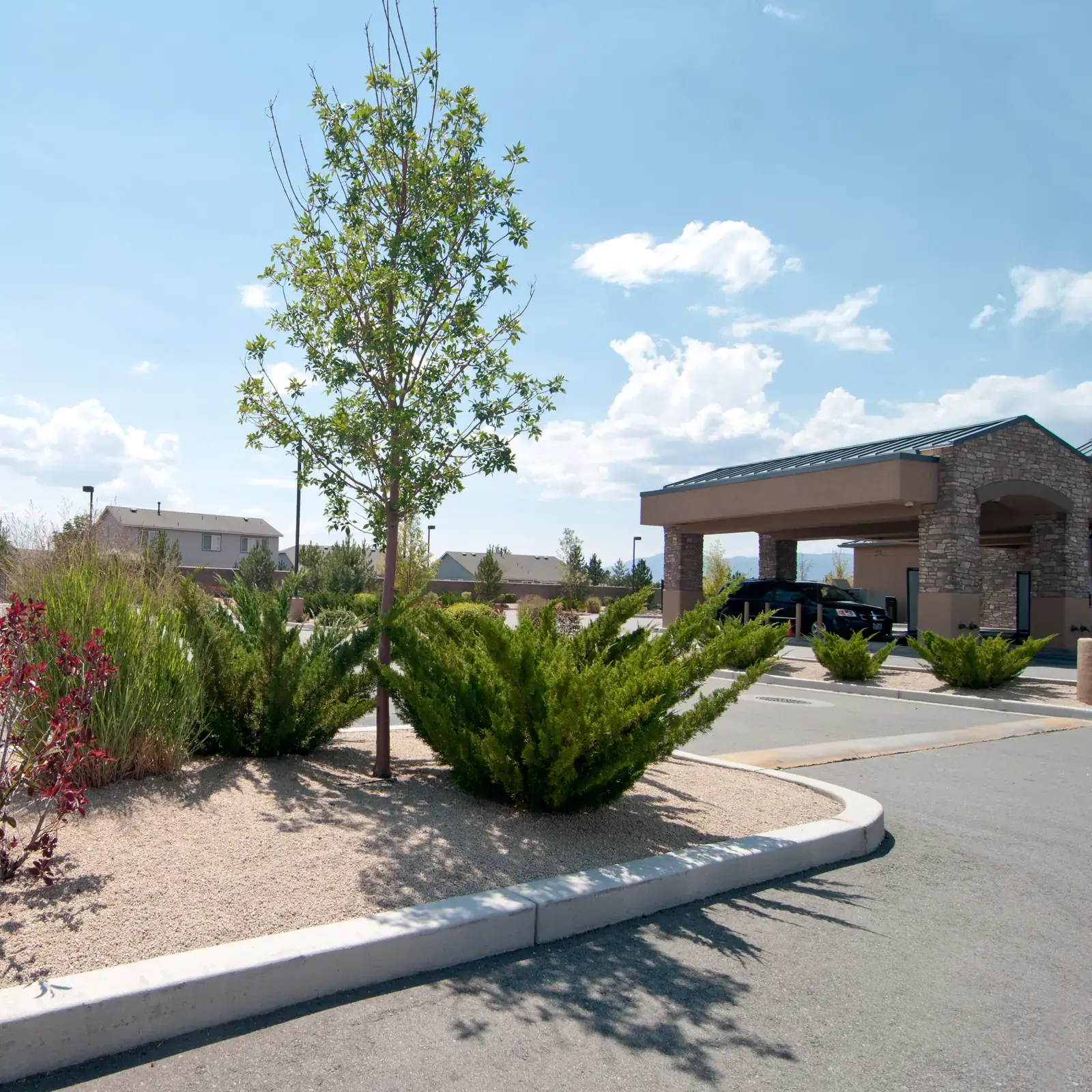
Base maintenance is mostly labor hours. That is what you are buying. When a maintenance number looks very low, ask how many hours a week it assumes, in summer and in winter. A price that only works by cutting hours shows up later as missed beds and rushed edging.
Whatever is included should be written in your scope. If it is not written down, assume it is not included. Our guide to HOA landscape maintenance scope walks through what a clear scope should say.
Snow removal is its own budget line
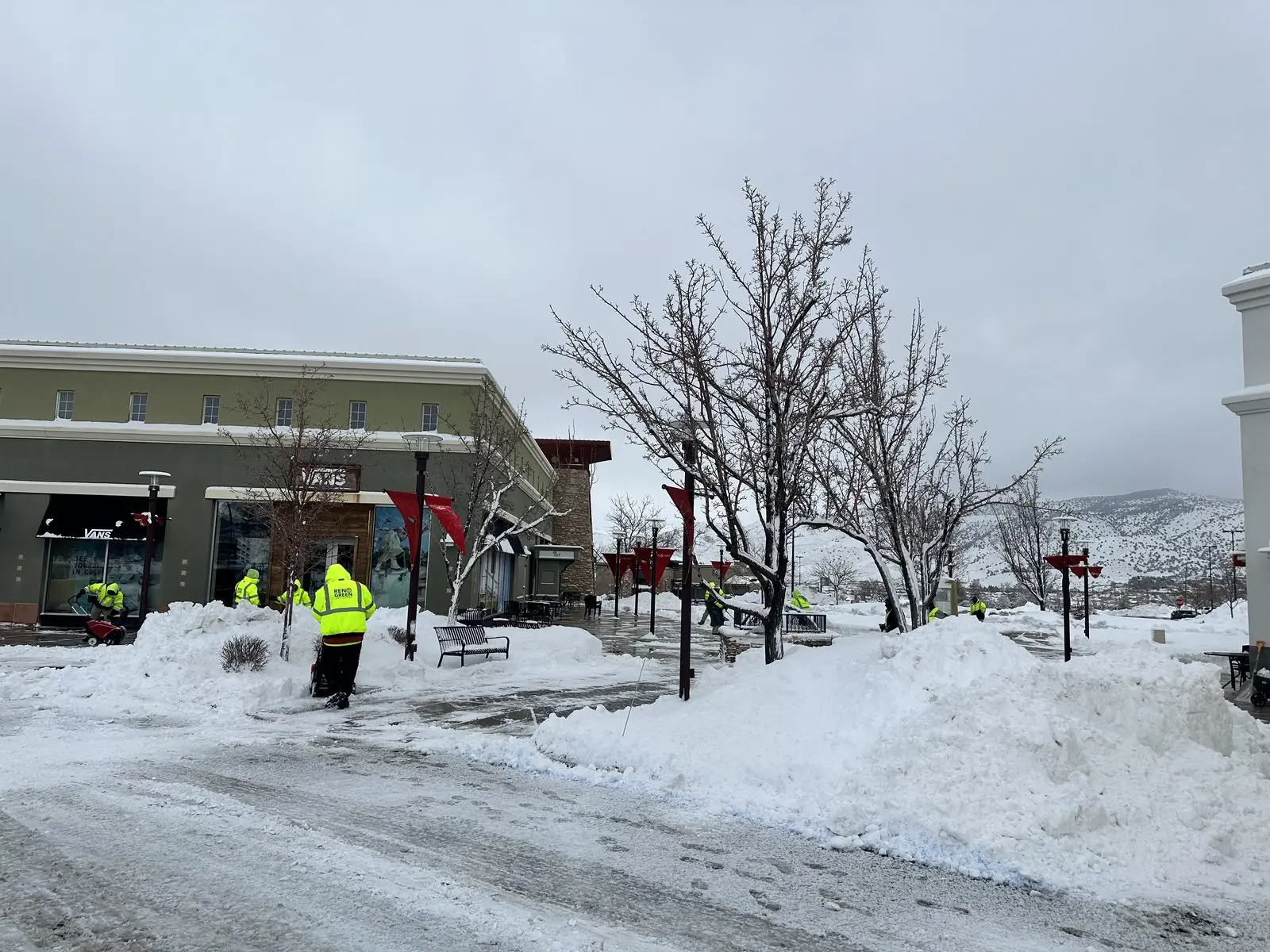
In the Reno area, snow is not a side note. For many communities it is one of the biggest numbers in the landscape budget, and it swings with the winter. Keep it as its own line, separate from maintenance, so the board can see it.
Tap each card.
How is it priced?
When does service start?
Which areas get cleared?
Is ice melt included?
Snow also affects the landscape. Ice melt can burn turf edges and beds, and plows can damage sprinkler heads and curbs. That damage shows up at spring startup, so it helps when the same team handles snow and maintenance and can plan for both. See our snow removal page for how we set triggers and scope.
Compare the total cost: maintenance plus snow
Here is what we tell every board: look at the entire picture of what you are paying for, and that includes snow. Some vendors bid a cheaper maintenance price and much higher snow rates. After one normal winter, the higher snow bill cancels the savings from the cheap maintenance.
Bid A has the lower monthly maintenance price. Bid B has a lower snow rate. Which one costs the community less?
See our answer
Best practice: It depends: add a year of maintenance and a winter of snow for each bid. Neither number tells you on its own. Multiply each maintenance price by 12, add the snow rate times a realistic number of snow events, and compare the totals. Then try a heavy winter too.
Type in the monthly maintenance price and the snow rate from two bids, then slide the number of snow events. Nothing you type leaves this page.
For each bid, multiply the monthly maintenance price by 12, then add the snow rate times the number of snow events you expect. The lower monthly price is not always the lower year.
Ask every vendor to price maintenance and snow on the same scope, with the same trigger depth and the same snow map. Then compare the total for the year, not the monthly line.
Split irrigation into four lines
Irrigation is where budgets get surprised most often, and in Northern Nevada it runs on a calendar of its own.
Which irrigation line is most often missing from an HOA budget?
See our answer
Best practice: Repairs. Startup and inspections are often inside the contract. Repairs are billed as they happen, so they need their own line, based on last year's repair tickets.
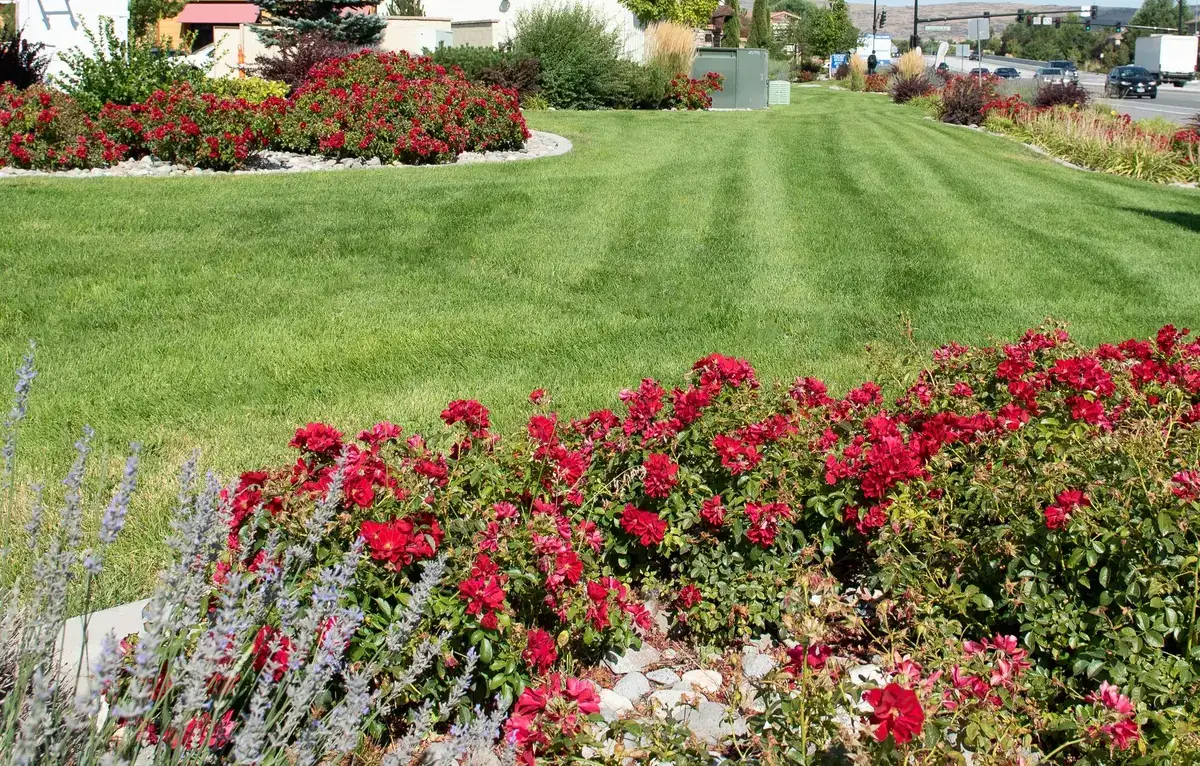
Pull last year's repair tickets before you set the repair number. If you don't have them, that tells you something too. When you compare vendors, look closely at the irrigation hourly rate and the parts markup. More on how we handle this on our irrigation management page.
Seasonal color, DG and other enhancements
In the Reno area, seasonal color is usually not part of the maintenance bid. It is priced as a separate enhancement, so give it its own line and decide each year where it goes: entrances and monument signs first, amenity areas next.
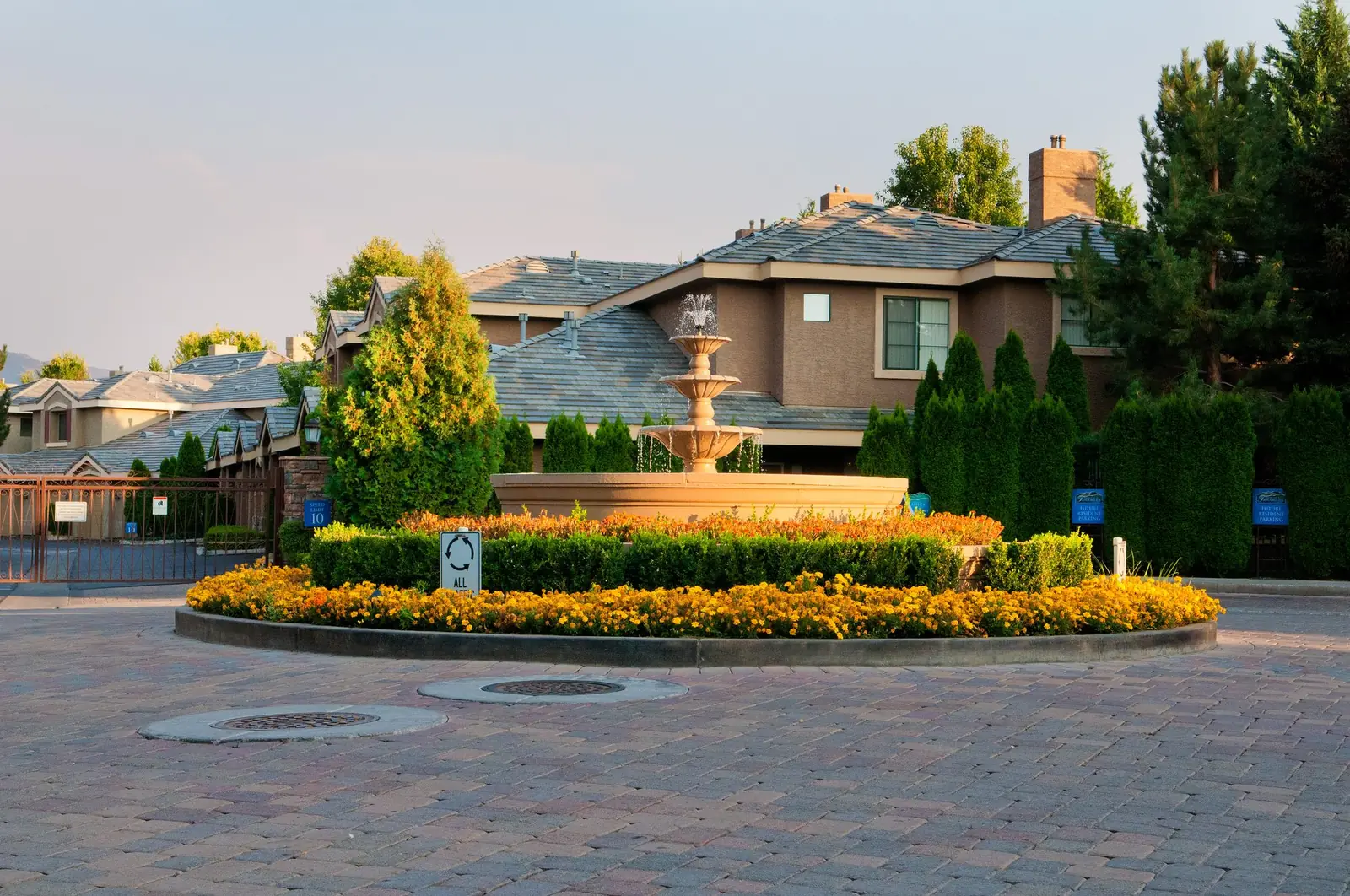
Mulch is a small line here. Many Reno beds are decomposed granite and rock instead. Raking DG is part of maintenance, but topping it up where it has thinned or washed out is material plus labor, so treat it as an enhancement too.
Other enhancements: plant replacements, turf conversions to water-wise planting, drainage fixes and entrance upgrades. Put a planned line in the budget and tie it to a short list of projects the board actually wants. Fertilization, weed and pest programs also deserve their own lines, so they are a choice, not an accident. Our enhancements page explains how we scope this work.
Tree work and a winter and wind reserve
Large tree pruning, crown raising over streets and sidewalks, removals and stump grinding usually sit outside a maintenance contract. With heavy snow loads and strong winds, limbs over roofs, cars and walkways are a real risk here. Prune one section of the property each year to keep the cost steady.
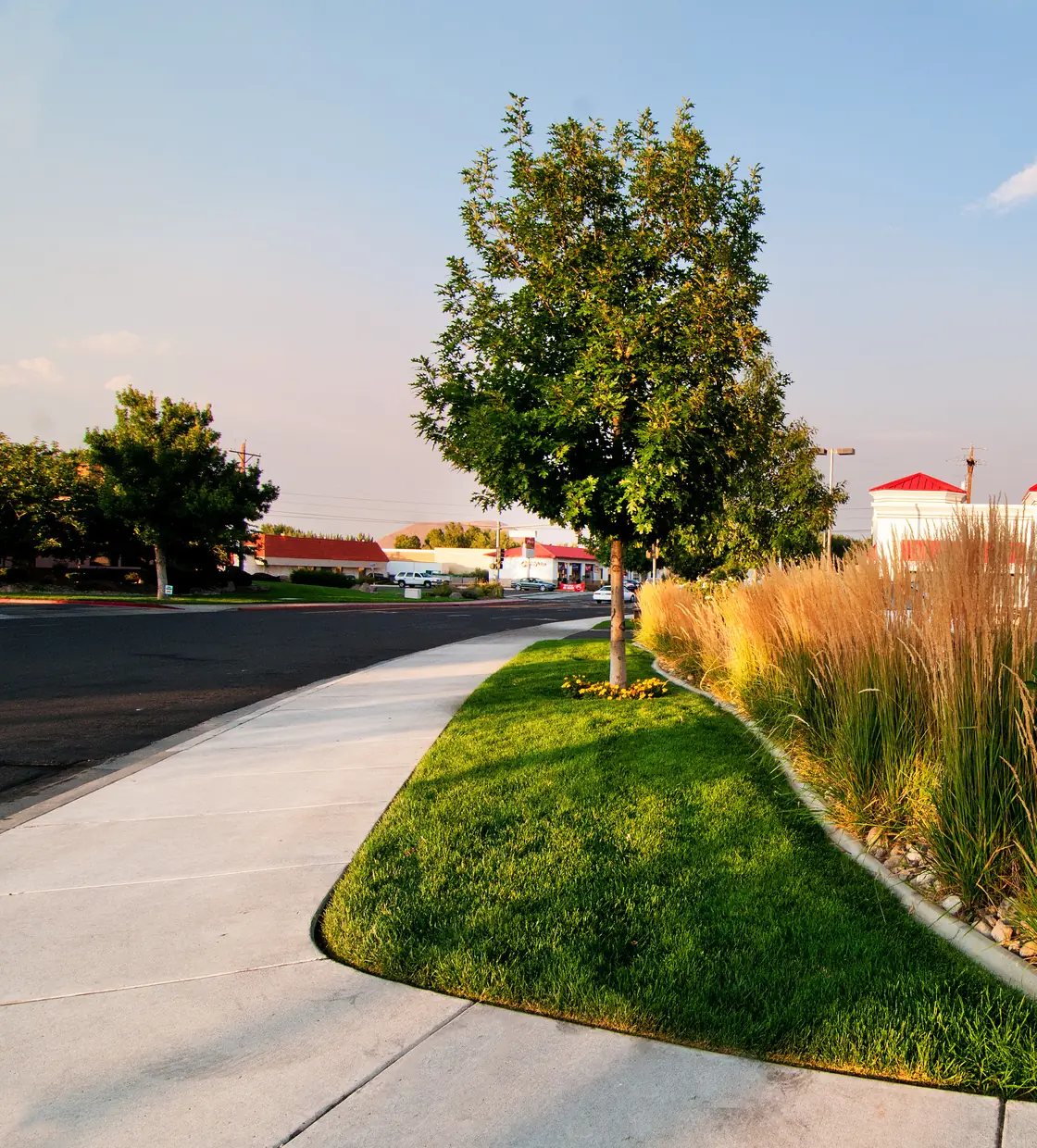
Weather is a budget item too. A hard freeze after a warm spell, wet snow on trees that still have leaves, or a strong wind day can damage plants, trees and irrigation in one night. Set aside a reserve for cleanup, storm tree work and plants lost to winter. If the year goes quiet, it can roll forward. For Tahoe and Truckee communities, add defensible space work here as planned work. Our winter damage guide covers what usually needs to happen after a hard winter.
Guess, then tap each card.
Wet snow in October snaps limbs over the clubhouse lot.
Spring startup finds a cracked backflow and six broken heads.
The board wants summer color at the main entrance.
A storm drops six inches overnight on the parking lots.
Why all-inclusive contracts usually cost the community more
Some HOAs try to avoid surprises with an "all-inclusive" contract: irrigation repairs, tree and shrub removal, plant replacements, even vandalism repairs, all in one monthly price. It sounds safe. In practice, it usually works against the community.
An HOA asks bidders for one all-inclusive price that covers irrigation repairs, plant replacement and vandalism. What usually happens?
See our answer
Best practice: The landscaper pads the price, so the community usually overpays. No landscaper can know how many breaks or winter losses next year will bring. A careful one adds a cushion big enough for a bad year. Most years are not that bad, so the community pays for repairs that never happen.
- A cushion for a bad year, paid every year
- The board never sees or approves the work
- No options on how to fix it
- Hard to compare bids
- Irrigation repairs at a clear hourly rate plus parts
- Tree and shrub work proposed when needed, for the board to approve
- Vandalism fixed as a repair, from the reserve
- Bids compare real numbers
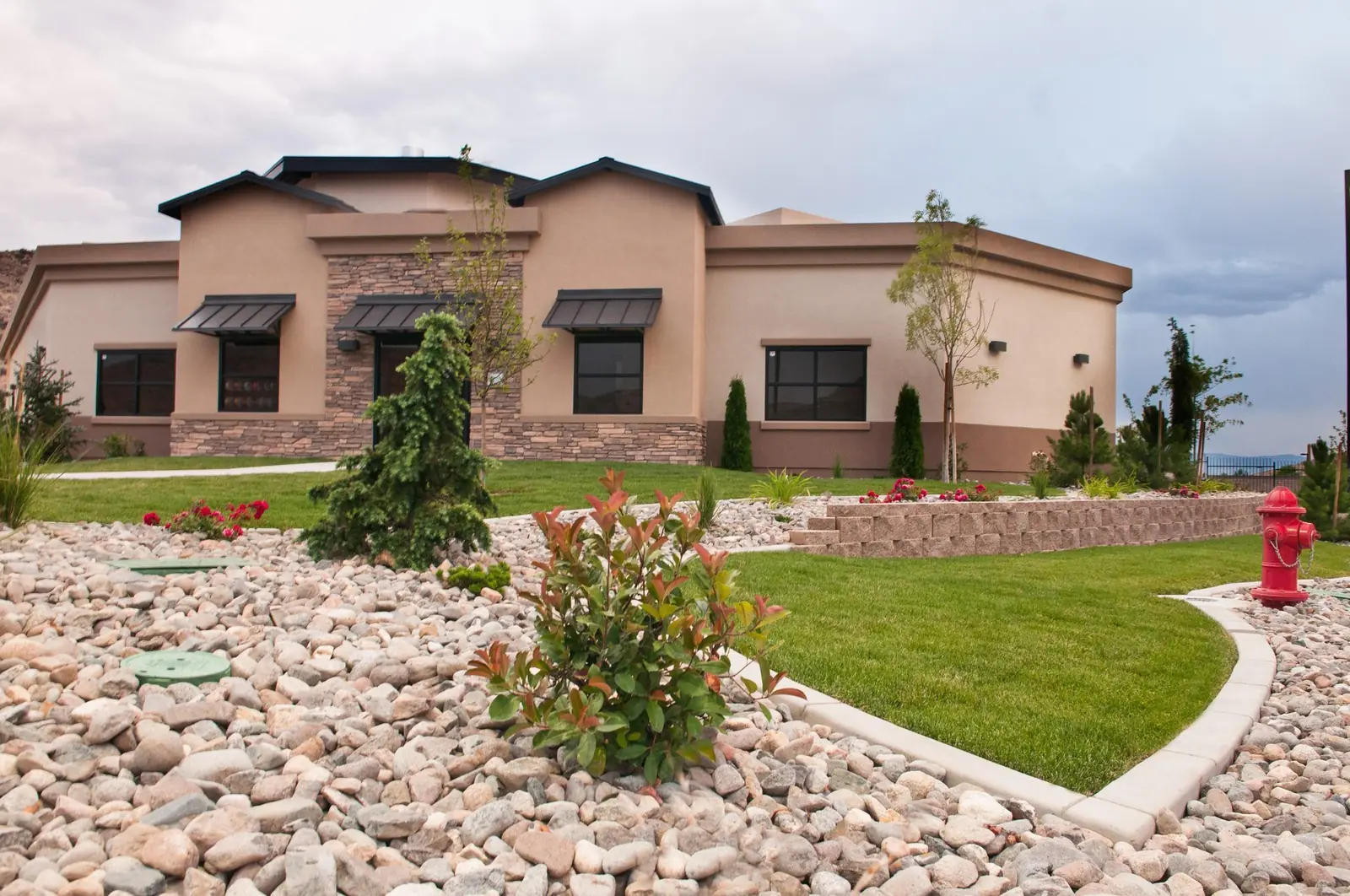
You still get predictability. It comes from the budget lines and reserve above, not from a padded contract price. When you compare bids, ask each vendor to price these items separately.
Don't forget water, and ask why prices go up
Water is often in a different part of the HOA budget, but your irrigation system and schedule drive that bill. Watering rules depend on your provider: TMWA in Reno and Sparks, Carson City Utilities, the Incline Village General Improvement District, and the Truckee Donner Public Utility District in Truckee. Each sets its own rules, and they can change, so check with yours. If the bill keeps climbing, a landscape and irrigation audit is a good place to start.
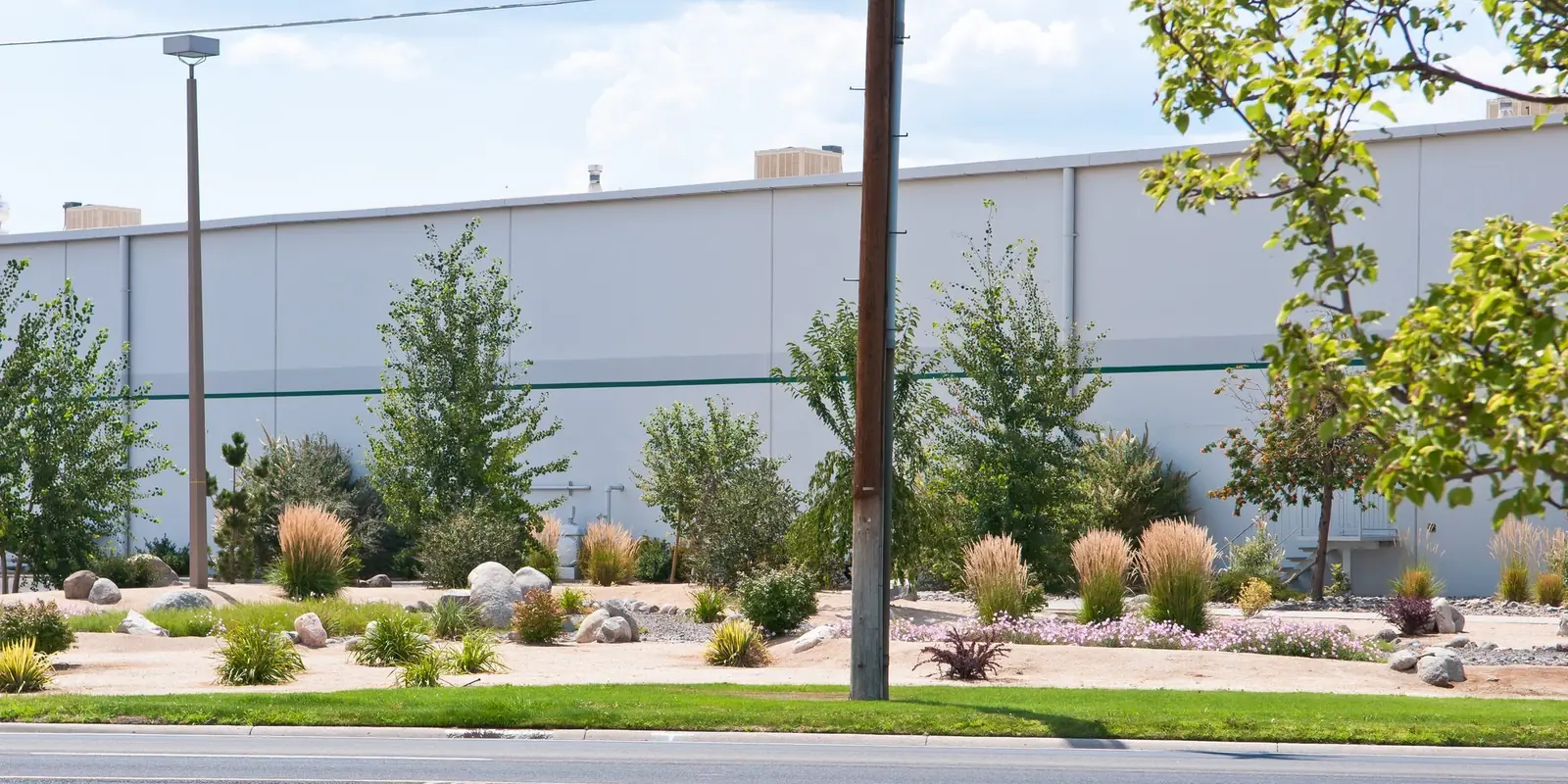
Most vendors propose a yearly increase at renewal, because labor, fuel, equipment and materials go up. What you want is a clear reason, line by line. An increase on maintenance, on irrigation rates and on snow rates are three different conversations, and added scope is not the same as a rate increase.
Ask for your vendor's input, but write the budget yourself
Your landscape vendor knows your property. Ask them for last year's irrigation repair history and what spring startup found, last winter's snow events and invoices, beds that need DG or color most, trees that need attention soon, and the enhancement projects they would recommend, ranked by priority. The board still owns the budget. Our guide to HOA vendor due diligence has questions worth asking.
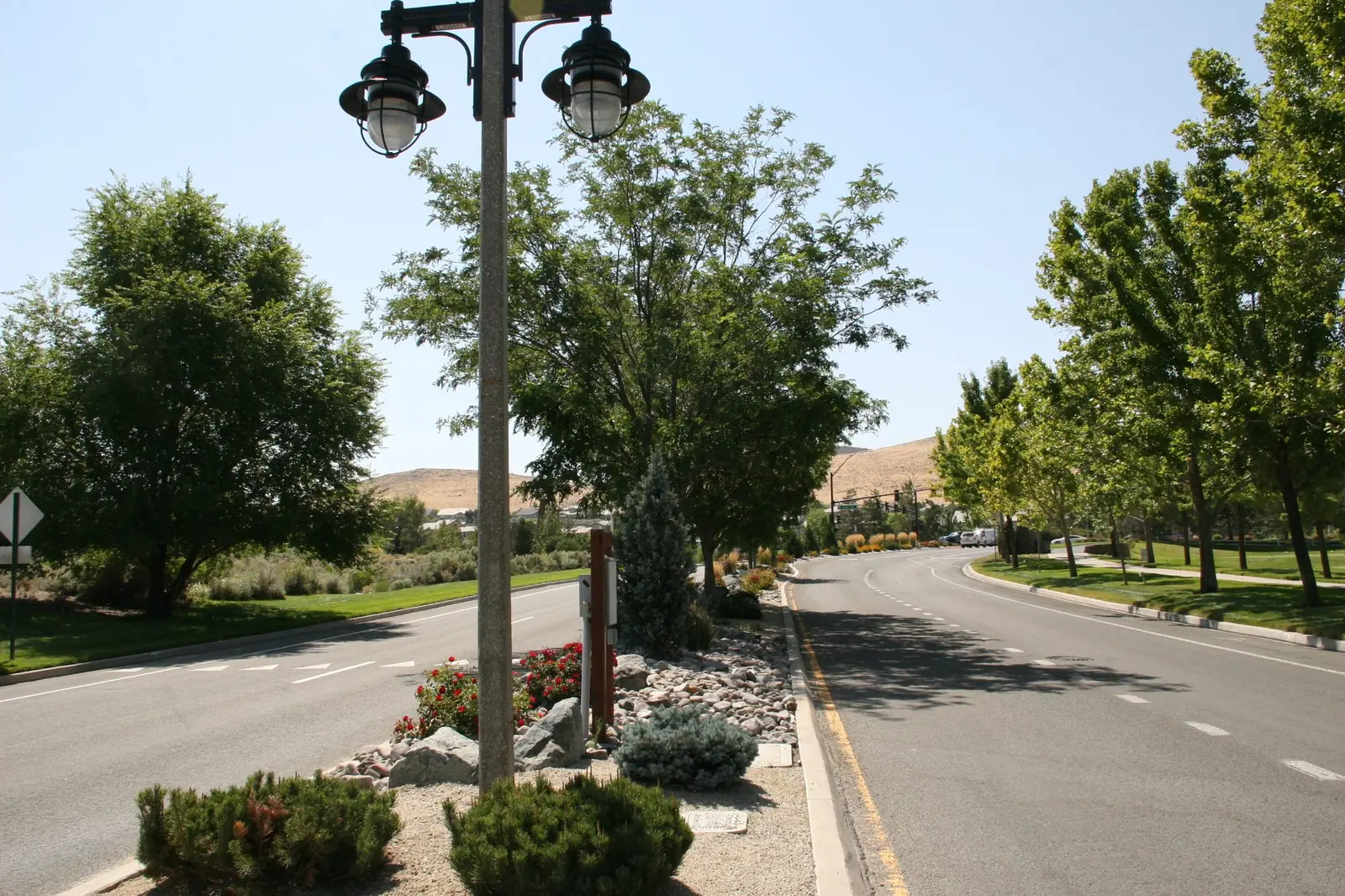
Many contracts renew on January 1 or at the start of spring. Either way, the budget conversation belongs in the fall, while there is time to walk the property before snow covers it. The Reno commercial landscaping calendar shows how the year usually falls.
A simple line item checklist
Tick off each line your draft budget already has. If one is missing, decide on purpose whether to leave it out. That is the difference between a budget and a guess.
Your result updates as you go.
Lines still missing:
Want real numbers for your 2027 budget? Get a free quote with maintenance and snow priced side by side.
Get a free quote
For more on working with a landscape vendor as a board, see our Landscaping for HOA Boards series, and when to rebid landscaping.